Zara Kids Leans Into Soft Matching Sets: Trendy or Truly Practical?
Zara Kids is leaning hard into soft matching sets this season—coordinated sweatshirt-and-jogger combos in muted, sophisticated tones. They photograph beautifully and promise easier mornings. But do they actually serve real family life, or just look good in a flat lay? A practical parent's review.
Zara Kids has been pushing matching sets hard this season. Scroll through the new arrivals section and the pattern is unmistakable: coordinated sweatshirt-and-jogger combos, ribbed knit top-and-bottom duos, soft terry pullover-and-short pairings, all in muted, sophisticated tones that look like they walked out of an adult capsule wardrobe and shrank a few sizes.
The look is undeniably appealing. Matching sets photograph beautifully. They make a child look put-together without visible effort. And for parents who are tired of negotiating mismatched tops and bottoms every morning, a pre-coordinated set promises something genuinely valuable: one less decision.
But the question Kidswear Edit always comes back to is whether a trend serves real family life or just looks good in a flat lay. Matching sets are having a moment. Do they actually work for the children wearing them?
What Zara Is Offering This Season
The current Zara Kids collection leans heavily into soft, coordinated separates in tonal palettes—oatmeal, dusty rose, sage green, faded navy, warm sand. The fabrics are mostly cotton and cotton blends, with an emphasis on textures like ribbed knit, brushed terry, and soft jersey. Silhouettes are relaxed but not oversized, with elastic waistbands, dropped shoulders, and easy crew necks.
The matching set concept appears across categories: loungewear-style combos, slightly dressier knit sets, and casual summer pairings of terry pullovers with coordinating shorts. Some sets include a third piece—a matching jacket, a coordinating tee, or a onesie version for babies—creating a mini capsule within a single purchase.
Prices sit in Zara's usual kidswear range: accessible enough that a single set isn't a major investment, but not so low that buying multiple sets across a season goes unnoticed on the credit card.
The Case for Matching Sets
The practical argument for matching sets is straightforward. They eliminate the morning coordination question. Grab one bundle from the drawer, and the outfit is complete. For parents packing a daycare bag or a weekend trip, a matching set is one less pairing to think about.
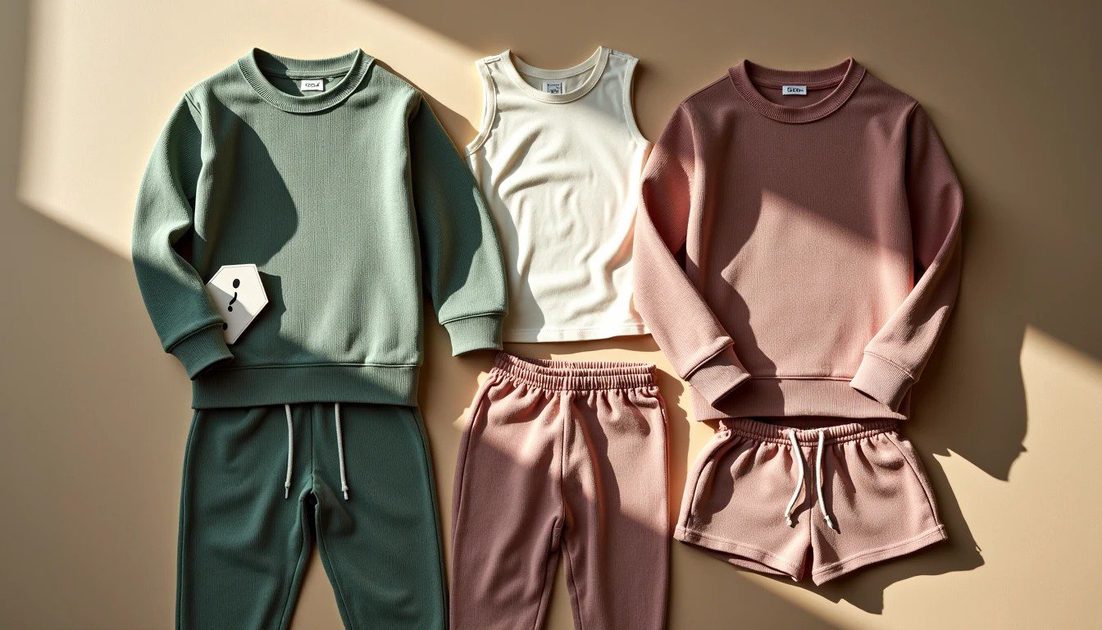
There's also a longevity advantage built into the design. Because matching sets are sold as separates rather than a single garment, each piece can be worn independently. The sweatshirt from one set pairs with jeans. The joggers pair with a plain tee. A child who outgrows the top before the bottom—or stains one piece beyond rescue—doesn't lose the whole outfit. That flexibility is built-in value.
From a comfort perspective, Zara's soft fabric choices this season get the basics right. Ribbed cotton stretches with movement. Terry cloth breathes on warm days. Elastic waistbands support bathroom independence. These are the practical details that matter more than any design decision.
The Case Against Them
The counterargument isn't that matching sets are bad. It's that they can quietly encourage overbuying. A matching set is an easy, satisfying purchase. It arrives looking complete. It tempts parents to buy it in multiple colorways. Before long, the drawer fills with coordinated outfits, and the per-piece cost adds up.
There's also a fit consideration. Children's bodies aren't always proportional. A toddler might wear a 3T top but still fit comfortably in 2T bottoms—or vice versa. A matching set that fits perfectly in the top and is too long in the pants delivers half an outfit, not a complete solution. Zara's sizing tends to run slim, which can amplify this issue for children with broader builds or longer torsos.
And then there's the question of whether a child actually needs their clothes to match. A coordinated outfit satisfies adult aesthetic preferences. A three-year-old genuinely does not care whether their sweatshirt matches their joggers. The matching set solves a parent problem, not a child problem. That doesn't make it invalid—parents are allowed to enjoy how their children look. But it's worth being honest about who the trend is really for.
The Verdict: Practical, With Guardrails
Zara's soft matching sets land on the practical side of the equation—with a few guardrails.
Buy a set if: your child genuinely needs the pieces, both items fit well right now, and the set integrates with other clothes in the existing rotation. A sage green sweatshirt-and-jogger set that pairs with three other tops and two other bottoms earns its place. It's not a one-hit wonder.
Skip or pause if: you're buying the set primarily for the aesthetic of a coordinated look, the fit isn't quite right on one piece, or you already have enough everyday outfits in rotation. A matching set bought for the satisfaction of a complete outfit can quickly become a matching set where one piece sits unworn.
The Bottom Line
Zara Kids' matching sets this season are not a gimmick. The fabrics are comfortable, the separates format is practical, and the tonal colors make mixing and matching genuinely easy. The trend doesn't ask parents to sacrifice function for style—it offers both, as long as the purchase is made with the same clear-eyed filter applied to any other kidswear buy.
If the set fits, feels good, and fills a real gap in the rotation, it's a useful addition. If it's just satisfying a craving for coordination, the craving will fade faster than the child outgrows the clothes.