How Many Everyday Outfits Does a Young Child Actually Need?
How many everyday outfits does a young child really need? Kidswear marketing says "more," but real life says otherwise. Most toddlers and preschoolers thrive with just 7 to 10 full outfits in a simple, mix-and-match rotation. Here's how to find the number that works—and stop overbuying.
Walk into any kidswear section and the message is clear: more is better. More sets, more options, more tiny outfits in more adorable prints. Parents feel the pressure. What if we run out? What if everything is in the wash? What if we need something nicer at short notice? And so the drawers fill up. Before long, a toddler has more clothes than they can wear in a week—and half of them barely see daylight.
Here's the quieter truth: young children don't need many clothes. They need the right clothes, in a rotation that works. Once you nail that number, mornings get easier, laundry becomes manageable, and you stop buying things that sit unworn.
The Magic Number: 7 to 10 Everyday Outfits
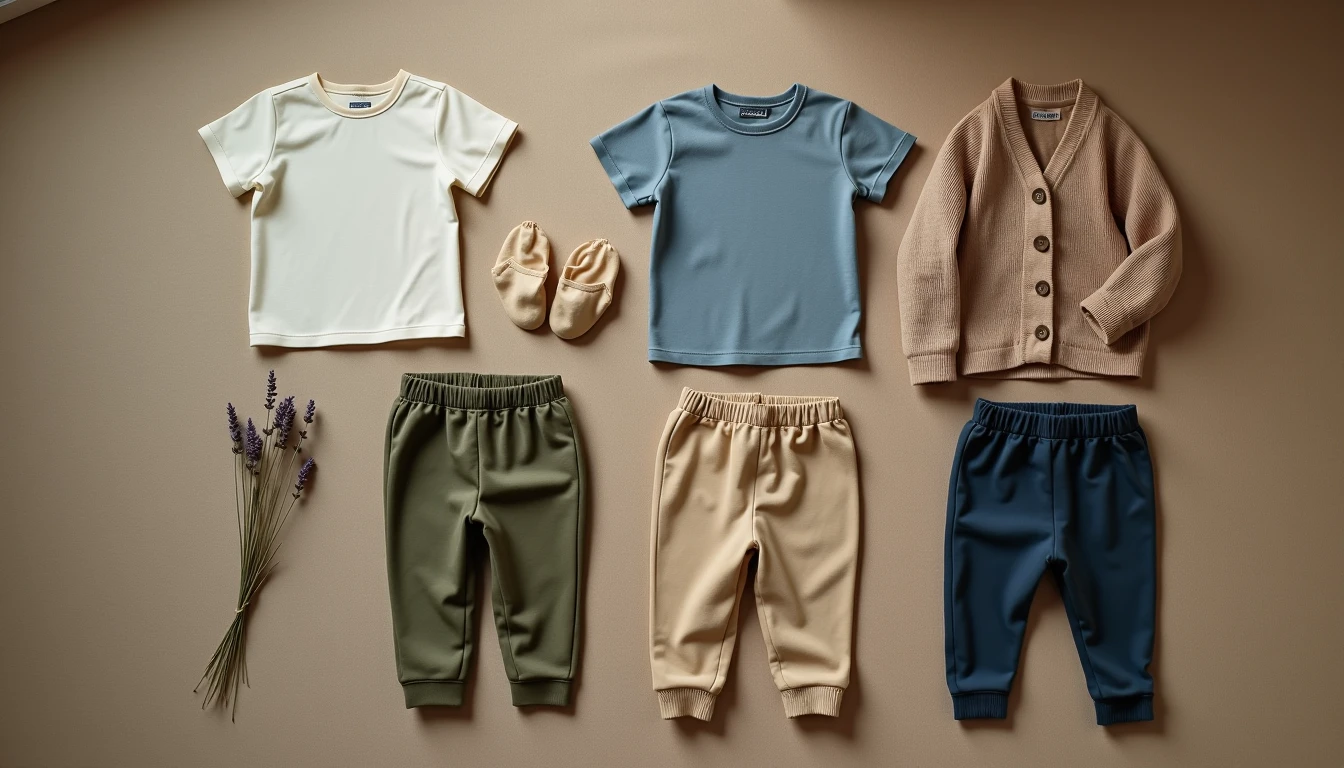
For most babies, toddlers, and preschool-aged children, seven to ten full everyday outfits are enough to cover a standard week with reasonable laundry rhythm. That means:
7 outfits if you do laundry once a week and your child isn't particularly messy.
8 to 10 outfits if you prefer doing laundry every five to six days, or if your child goes through more than one outfit a day due to spills, play, or potty training.
This number assumes each outfit is a complete set: a top, a bottom, socks, and underwear or a bodysuit layer where age-appropriate. It does not include specialty items like swimwear, formal wear, snow gear, or pajamas—those are separate categories with their own logic.
Why Not More?
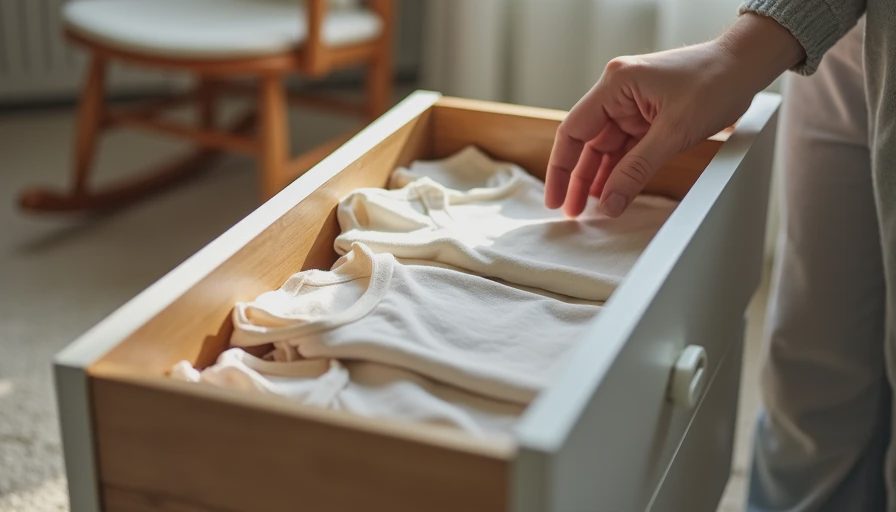
A child who has fifteen or twenty everyday outfits isn't better dressed. They're just harder to dress. Overstuffed drawers make it difficult to see what's available, slow down morning decisions, and increase the chance that something gets buried at the bottom and outgrown before it's worn.
There's also a practical ceiling. Most young children wear roughly the same three or four favorite outfits on repeat, regardless of how many options sit in the drawer. Parents know this. The softest leggings get pulled out first. The slightly scratchy shirt stays put. More clothing doesn't mean more variety in practice—it just means more to wash, fold, and put away.
How to Build the Rotation
A workable 7-to-10-outfit rotation doesn't require a spreadsheet. It just needs a few simple principles.
Stick to a mix-and-match palette. Choose tops and bottoms in colors that mostly work together. Neutrals, soft earth tones, and a few gentle colors make almost everything combinable. When any top can pair with any bottom, getting dressed takes seconds.
Double up on the workhorses. If you find a T-shirt or pair of leggings that fits well, feels soft, and survives the wash, buy it in two colors. Multiples of the same item reduce decision fatigue and ensure your child has a backup of what they actually like wearing.
Account for laundry reality. If you do laundry twice a week, a smaller rotation works fine. If laundry happens once a week, lean toward the higher end of the range. The rotation size should match the household rhythm, not a theoretical ideal.
Leave room for weather shifts. A spring rotation might include one lightweight jacket and one warmer mid-layer. A summer rotation might swap in an extra pair of shorts. The core number stays the same; the composition shifts with the season.
What About Growth Spurts?
Parents sometimes overbuy because they're worried about sudden growth. But young children rarely outgrow everything at once. They might suddenly need longer pants while tops still fit fine. The smart approach is to keep the rotation lean and add one or two replacement pieces as needed—not stockpile the next size up all at once. By the time a new season arrives, you'll have a clearer picture of what your child actually needs.
The Bigger Win
Getting the number right isn't about minimalism for its own sake. It's about reclaiming something more valuable than drawer space: ease. A manageable rotation means less laundry backlog, faster mornings, fewer impulse purchases, and a child who wears—and actually uses—everything they own. Ten outfits that get worn are worth more than twenty that don't.