The Clothing Basics Worth Paying More For in Baby and Toddler Wardrobes
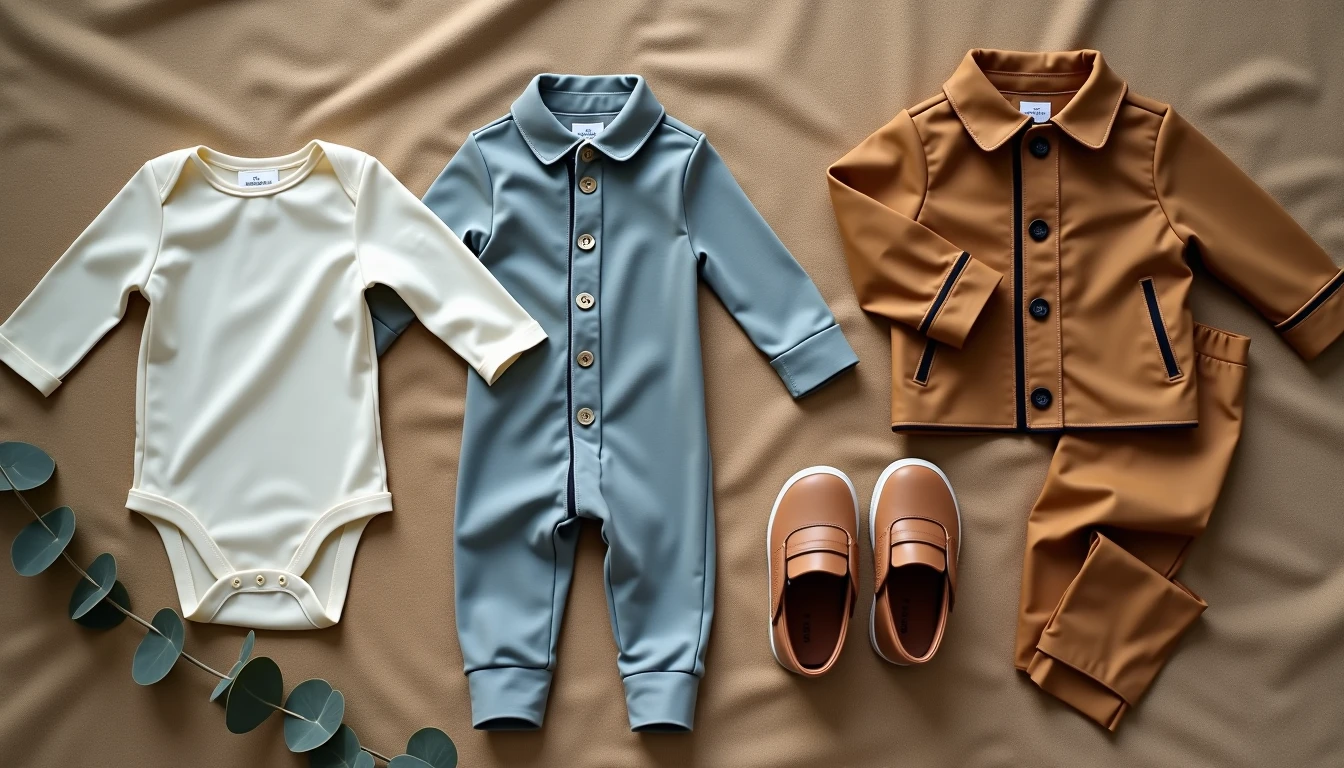
Parents don't need to spend more on everything in a child's wardrobe. But a handful of basics—bodysuits worn against the skin, pajamas, outerwear, shoes, and one good occasion outfit—genuinely reward a higher price with better comfort, durability, and daily function. Here's where to spend, and where to save without guilt.
Not all kidswear is worth the splurge. Babies outgrow onesies in weeks. Toddlers destroy knees in days. The sensible parent instinct is often to spend as little as possible—and for many items, that's exactly the right call.
But there are a handful of basics where paying more makes genuine, practical sense. These are the pieces that take the most wear, get washed the most often, sit closest to the skin, or affect how easily a child moves through their day. Spending a little extra on them isn't about luxury. It's about buying something that works better and lasts longer in the places that matter most.
Here are the clothing basics worth the higher price tag—and why.
1. Bodysuits and Onesies That Sit Against the Skin
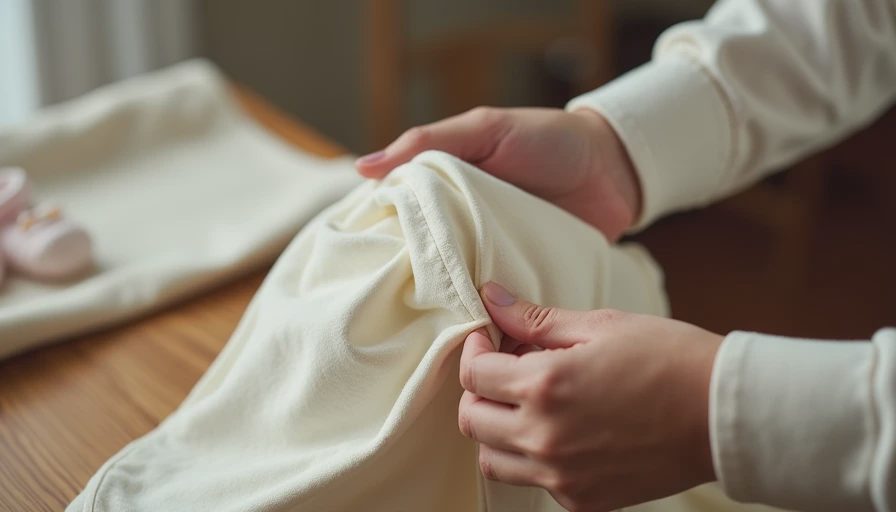
This is the number-one item where fabric quality counts. A bodysuit is worn against a baby's skin for hours—sleeping, feeding, squirming, being held. Scratchy seams, stiff cotton, or fabric that pills after three washes turns a wardrobe staple into something a baby unconsciously fights against all day.
Look for bodysuits made from long-staple cotton or cotton with a small percentage of elastane for stretch. The seams should lie flat or be positioned away from pressure points. Envelope necklines that pull down over the shoulders rather than over the head make diaper-change blowouts far less dramatic. Brands that invest in these details charge more, but the difference is felt every time the baby wears it.
2. Pajamas and Sleepwear
Children spend more hours in pajamas than in any other clothing category. A newborn might sleep sixteen to eighteen hours a day. Even a three-year-old spends ten to twelve hours in sleepwear. That's half their life in pajamas.
Cheap sleepwear often comes in synthetic blends that trap heat and moisture. Babies overheat easily. Toddlers wake up sweaty and uncomfortable. Well-made pajamas use breathable natural fibers, usually cotton or a cotton-modal blend, that regulate temperature better. They also hold their shape and softness through the punishing laundry cycle that sleepwear endures—washed every morning after a nighttime leak, dried on repeat, worn again that night.
Flame-resistant chemical treatments are another consideration. In the U.S., snug-fitting cotton pajamas are exempt from the flammability standards that require chemical treatment in looser synthetic sleepwear. Spending more on well-fitted, natural-fiber pajamas sidesteps that concern entirely while keeping a child safer and more comfortable.
3. Outerwear That Actually Works
A cheap jacket looks fine on a hanger. On a child, it's a different story. Stiff zippers that catch on chin skin. Sleeves that don't move with active arms. Thin insulation that flattens after one wash. Fabric that soaks through in light rain.
Good outerwear is expensive for a reason. The materials cost more to produce, and the construction takes more skill. What parents are paying for is engineering: waterproof-breathable membranes that keep rain out while letting sweat escape, insulation that stays lofty after washing, zippers that a three-year-old can actually pull up themselves, hoods that stay on without constant readjustment.
For children in cold or wet climates, outerwear is not the place to save. A well-made jacket gets worn every day for months. It's the single most visible and hardest-working piece in a child's cold-weather wardrobe. If parents are going to spend more on one item, this is it.
4. Shoes That Support Growing Feet
Pediatric podiatrists are nearly unanimous on this point: soft, flexible, well-fitted shoes matter for foot development. Young children's feet are mostly cartilage, gradually ossifying into bone over the first several years. Shoes that are too stiff, too narrow, or poorly shaped can interfere with natural foot movement and development.
The features worth paying for: a wide toe box that lets toes spread naturally, a thin flexible sole that allows the foot to bend and feel the ground, breathable upper materials like leather or mesh, and a secure closure that keeps the shoe on without squeezing. Cheap shoes often fail on at least two or three of these points.
Children don't need many pairs of shoes. One good pair of everyday sneakers, properly fitted, covers most of life. A second pair for wet weather or special occasions is a bonus. The investment is in that one primary pair—the one worn to the playground, to preschool, on walks, and through all the running and climbing that fill a young child's day.
5. The One Good Outfit for Photos and Occasions
Most of a child's wardrobe should be washable, replaceable, and not precious. But having one nicer outfit that fits well and looks intentional has real value. This is the outfit for family photos, holiday gatherings, birthday parties, and the moments parents want to remember.
Paying more here means getting something that fits properly—not the oversized, "they'll grow into it" fit that works fine for everyday play but looks sloppy in a framed photograph. It also means fabric that doesn't wrinkle the moment a child sits down, and construction that holds up through a long event without buttons popping or seams pulling.
One outfit is enough. It doesn't need to be designer. It just needs to fit well, feel comfortable enough that the child isn't tugging at it, and look like it was chosen with care.
Where to Save Without Worry
The rest of the wardrobe—everyday tees, play shorts, leggings, socks, bibs, and clothes for messy activities like painting and mud play—can come from affordable sources without guilt. These items get stained, torn, outgrown, and replaced on a short cycle. Spending less here is not a compromise. It's smart resource allocation.
The principle is simple: spend where the item works harder or sits closer to the body. Save where the item is essentially disposable to a young child's daily life. Most parents intuitively understand this, but the kidswear market's constant pressure to buy more and buy premium can blur the line. Knowing which few items genuinely reward a higher price brings clarity back.