
Can You Baby Wear a Newborn? What Parents Should Know
Wondering can you baby wear a newborn? Yes, with the right carrier and technique. Learn safety tips, best positions, and recommended carriers for your...
If you're a new parent wondering, can you baby wear a newborn, the short answer is yes—but there are important safety guidelines to follow. Babywearing can be a wonderful way to bond with your infant while keeping your hands free for everyday tasks. However, newborns have special needs due to their fragile neck and back muscles, so choosing the right carrier and using it correctly is key.
Safety First: The TICKS Rule for Newborns
When you baby wear a newborn, safety is non-negotiable. The TICKS rule is a widely accepted guideline:
- Tight: The carrier should be snug so your baby is held close against your body.
- In view at all times: You should be able to see your baby's face by glancing down.
- Close enough to kiss: Tilt your head down and you should be able to kiss your baby's forehead.
- Keep chin off chest: Your baby's chin should not be pressed against their chest; that can restrict breathing.
- Supported back: The carrier should support your baby's natural rounded back shape, with no sagging.
Following these rules ensures your newborn can breathe easily and stay safely positioned. Always check that the carrier keeps your baby's face visible and airway clear.

Best Baby Carrier Types for Newborns
Not all carriers work for the youngest babies. Here are three types that safely accommodate a newborn:
Stretchy wraps (like Solly Baby or Boba Wrap) are soft fabric lengths that you wrap around your body. They mold closely to your shape and provide excellent head and neck support. Most are suitable from birth up to about 15–20 pounds.
Ring slings (like Maya Wrap or Sakura Bloom) are a single piece of fabric with two rings. They can be adjusted quickly and offer a snug seat for newborns. Make sure the fabric is not too loose and that your baby's legs are in a natural froggy position.
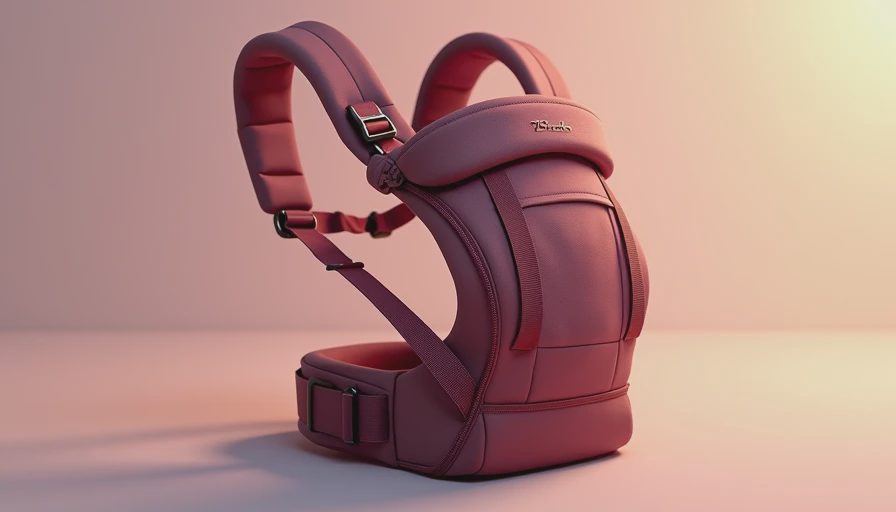
Structured carriers (like Ergobaby Embrace or Baby Bjorn Mini) often come with an infant insert or a built-in newborn setting. These are easier to put on but be sure to follow the manufacturer's weight guidelines—most start at 7–8 pounds.
Each type has pros and cons. Wraps offer the best customization but require practice. Ring slings are fast once you learn the technique. Structured carriers are user-friendly but heavier. Whichever you choose, read the manual carefully and practice with a doll before your first outing.
When Can You Start Babywearing a Newborn?
Many parents ask, can you baby wear a newborn from day one? Yes, as long as your baby is born at full term and healthy. For premature or low-birth-weight babies, consult your pediatrician first. Most carriers allow use from 7–8 pounds or from birth if labeled.
One common question is: can you baby wear a newborn in a forward-facing position? The answer is no. Newborns should always face you until they have strong neck control (usually around 5–6 months). Facing outward can overstimulate them and puts strain on their spine. Keeping them close gives you better control and bonding.
Also, avoid carrying your newborn in a hip seat or any carrier that doesn't support their head. The first few months, your baby needs full head and neck support in an upright or slightly reclined position.
Common Questions About Babywearing Newborns
Is it safe for a newborn to sleep in a carrier? Yes, as long as the carrier keeps their airway clear, chin off chest, and face visible. If your baby falls asleep, check their position often and never cover their head with fabric.
How long can I wear my newborn? Start with short sessions of 20–30 minutes to see how your baby tolerates it. Over time, you can wear them for as long as you both are comfortable. Always pay attention to your baby's cues—if they seem fussy or hot, take a break.
Can I nurse while babywearing? Yes, many parents nurse in a carrier with a stretchy wrap or ring sling. But wait until you're both comfortable with babywearing and breastfeeding separately before combining them. Always reposition your baby after nursing to ensure good airway alignment.
Common Mistakes to Avoid When Babywearing a Newborn
Even experienced parents can make errors. Here are frequent pitfalls and how to avoid them:
- Using a carrier that is too loose. A loose carrier lets your baby sag, which can compromise their airway. Always tighten the fabric so your baby is pressed snugly against you.
- Dressing your baby in bulky clothing. Puffy snowsuits or thick blankets prevent a close fit. Instead, choose thin layers and a hat. In cold weather, use a babywearing coat or add a blanket over both of you after securing the carrier.
- Ignoring your baby's cues. If your newborn becomes fussy or starts squirming, stop and check their position. They might be uncomfortable, too warm, or need a diaper change. Babywearing should be a pleasant experience for both of you.
- Using a carrier that doesn't support the head. Some structured carriers require an infant insert for newborns. Never skip the insert if recommended. Without proper head support, your baby's head may flop forward, risking breathing difficulty.
- Assuming all carriers are the same. Each brand has unique features and weight limits. Always read the manual and follow the specific instructions for a newborn. A carrier that works for a 6-month-old might not be safe for a newborn.
By avoiding these mistakes, you can confidently answer yes to can you baby wear a newborn and enjoy the benefits of hands-free parenting.
Final Tips for Comfort and Confidence
Wondering can you baby wear a newborn is the first step; the next is choosing the right carrier for your lifestyle. If you'll be home most of the time, a stretchy wrap is great for cozy naps. If you're out and about, a structured carrier might be more convenient.
Always check the carrier's weight guidelines and avoid fluffy newborn clothes that prevent a snug fit. Dress your baby in lightweight layers and make sure their legs are free to move in an M-shape (knees higher than bottom). That position is healthy for their hips and comfortable for you.
Babywearing a newborn can be a joy. With the right carrier and safety practices, you'll gain confidence and enjoy those precious early weeks hands-free.