Is 0-3 Months the Same as Newborn Clothes? What Parents Should Know
Is 0-3 months the same as newborn clothes? We break down the differences in sizing, fit, and when to buy each. Get clarity here.
Is 0-3 Months the Same as Newborn Clothes? What Parents Should Know
If you’ve ever stared at a rack of baby sleepers wondering **is 0-3 months the same as newborn clothes**, you’re not alone. It’s one of the most common sizing puzzles new parents face. The short answer is no—they are different sizes, but the confusion is understandable because both labels refer to very early baby stages. Let’s break it down so you know exactly what to buy and when.
Newborn size is designed for babies from birth to about one month, typically fitting up to 8 pounds and 21 inches. 0-3 months, on the other hand, is intended for infants from one to three months, usually fitting up to 12 pounds and 24 inches. However, many brands interpret these labels differently, which is why you’ll see overlap. Some manufacturers make their newborn size slightly larger, while others cut their 0-3 months closer to the body.
Why do parents get confused? Because a few retailers label their smallest size as “0-3 months” and skip newborn altogether. Others offer both, but the fit varies widely. A Carter’s newborn onesie might be snug on a 9-pound baby, while a Gerber 0-3 month sleeper could swim on a 7-pound infant. The best approach is to ignore the age label and focus on weight and length guidelines on the tag.
Baby growth is unpredictable—some babies outgrow newborn clothes within two weeks, others wear them for a month. Having a few newborn outfits on hand is wise, but don’t stock up. You’ll quickly move into 0-3 months, which often lasts longer.
Understanding Baby Clothing Sizes
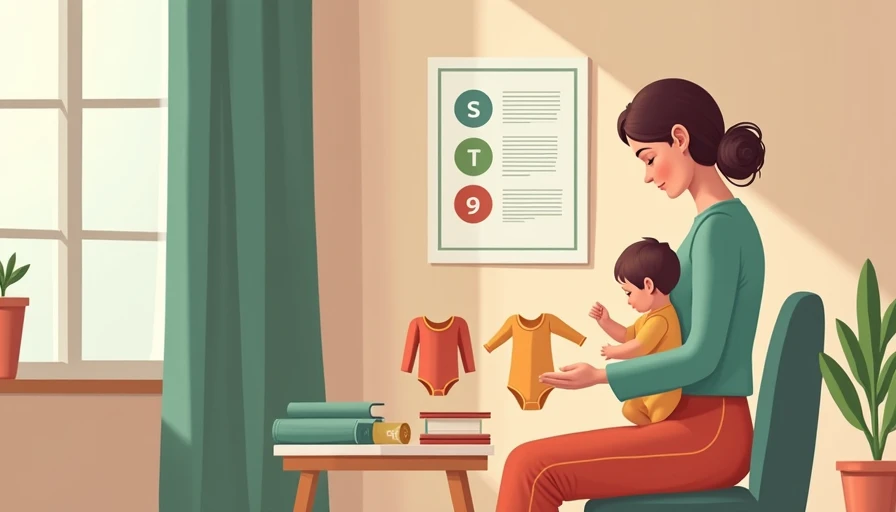
Baby clothing sizes are based on average growth charts, but no two babies are the same. “Newborn” usually means 0-1 month, “0-3 months” covers roughly 1-3 months, and “3 months” often overlaps with 0-3 but tends to run smaller. The key is to check the weight range—most brands list it on the hangtag or product page. For example, a newborn size from a premium brand like Aden + Anais might fit up to 9 pounds, while a budget brand might top out at 7 pounds.
When shopping, pay attention to the cut. Sleepers with fold-over mittens and foot cuffs can be more forgiving in fit. Bodysuits with envelope necks make dressing easier, especially for the first few weeks. Avoid buying too many newborn items until you see your baby’s size at birth—many parents end up exchanging unopened packs.
Key Differences Between Newborn and 0-3 Months
To answer the question **is 0-3 months the same as newborn clothes** directly, here are the key differences: length, weight capacity, and intended duration. Newborn clothes are shorter and narrower, designed for a curled-up, sleepy infant. They typically have smaller arm holes and a shorter torso. 0-3 months adds about 2-3 inches in length and an inch in width, allowing room for growth and movement.
Another difference is closure style. Newborn sizes often feature envelope shoulders and snaps at the bottom for easy diaper changes. 0-3 months sometimes includes zippers or more snaps, but the cut is roomier. If you’re using cloth diapers, the 0-3 month size may fit better because it accommodates extra bulk.
Fit also varies by brand. For instance, Target’s Cat & Jack newborn runs generous, while Carter’s is more true to size. Always read reviews from other parents about whether a brand runs large or small. This can save you from buying too many ill-fitting outfits.
When to Buy Each Size
For most babies, a few newborn onesies and sleepers are all you need for the first two weeks. After that, 0-3 months becomes essential. If your baby is born weighing over 8 pounds, you might skip newborn entirely. Pediatricians often recommend having at least one newborn outfit for the hospital picture, then moving to 0-3 months within a week.
Consider the season. If your baby arrives in winter, you might need more layers, so sizing up to 0-3 months sooner ensures room for onesies under sleepers. In summer, lighter fabrics allow you to stick with newborn a bit longer. Also, factor in how fast your baby grows—some babies double their birth weight by four months, so don’t buy too far ahead.
Tips for Choosing the Right Size
Here’s a practical checklist for navigating the newborn vs. 0-3 months dilemma:
- **Check the weight limit** on the tag instead of the age label.
- **Buy one or two newborn outfits** and wash them before the baby arrives.
- **Stock up on 0-3 months** in neutral styles that work for either gender if you’re not finding out.
- **Look for adjustable features** like fold-over cuffs and envelope necks.
- **Consider your baby’s length**—if you’re tall, you might have a longer baby who outgrows newborn quickly.
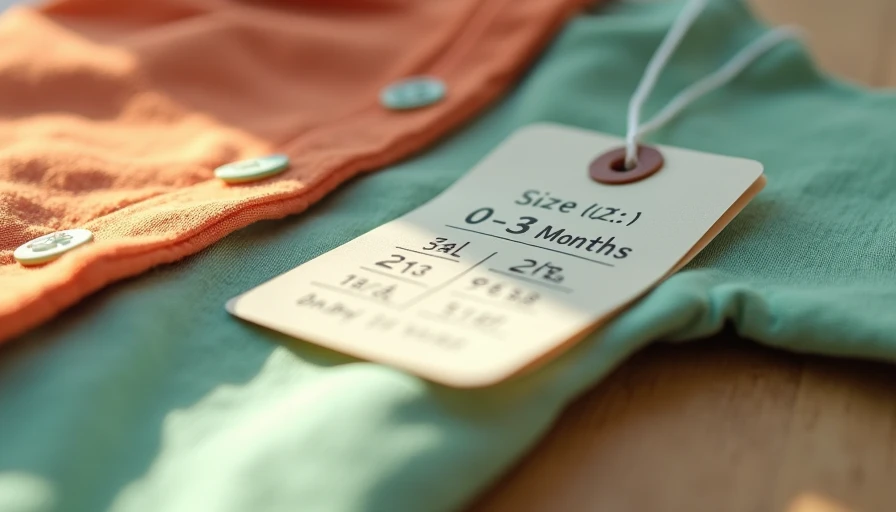
- **Read brand size charts** online before buying. Many retailers have conversion guides.
A good rule of thumb: register for a mix of both sizes, but keep tags on until you see how your baby fits. Most stores accept returns on unwashed items.
Common Questions About Baby Sizing
**Can a newborn fit into 0-3 months?** Yes, but it will likely be baggy. Some parents prefer the roomy fit for nighttime sleepers because it allows movement.
**Is 0-3 months the same as newborn clothes** in terms of length? No—0-3 months is generally 2-3 inches longer. That extra length helps when your baby starts stretching out.
**Why do some brands only sell 0-3 months?** Many budget-focused lines skip newborn to reduce SKUs. In that case, the 0-3 month size often fits smaller true newborn babies, but check reviews.
**How many newborn outfits do I really need?** Aim for 5-7 onesies and 3-4 sleepers. Anything beyond that might go unused unless your baby is small for several weeks.
Final Thoughts
Decoding baby sizes doesn’t have to be stressful. Remember that **is 0-3 months the same as newborn clothes** is a question every new parent asks, and the answer is a clear no. By focusing on weight and length, buying a few essentials in each size, and leaning on brand-specific fit guides, you’ll be ready for your baby’s first wardrobe. Start with comfort, then build the outfit.