The Ultimate List of Clothes for Newborn: What Parents Actually Need
Get the complete list of clothes for newborn babies, from bodysuits to swaddles. Our parent-tested guide helps you buy only what you'll actually use.
Bringing home a newborn is exciting, but the baby clothing section can be overwhelming. With so many tiny outfits and conflicting advice, it's easy to overbuy. That's why we've created a practical list of clothes for newborn babies—focused on comfort, ease of dressing, and real-life use. Whether you're a first-time parent or adding to your family, this guide will help you stock your baby's wardrobe with exactly what works.
When planning a newborn wardrobe, prioritize soft, breathable fabrics like cotton or bamboo. Avoid anything with rough seams or complicated fasteners. Also, remember that newborns grow fast—you'll likely move up to 3-month sizes within a few weeks. So focus on essentials, not excessive quantity.
Bodysuits and Onesies: The Foundation
The single most useful item on your list of clothes for newborn babies is the bodysuit (or onesie). These one-piece wonders snap between the legs, keeping the diaper secure and the baby's skin covered. Look for envelope necks (overlapping fabric at the shoulder) for easy dressing over a wobbly head. Brands like Carter's and Burt's Bees make soft, affordable options. Aim for 6-8 short-sleeve onesies for warm weather, and 4-6 long-sleeve onesies for cooler months.
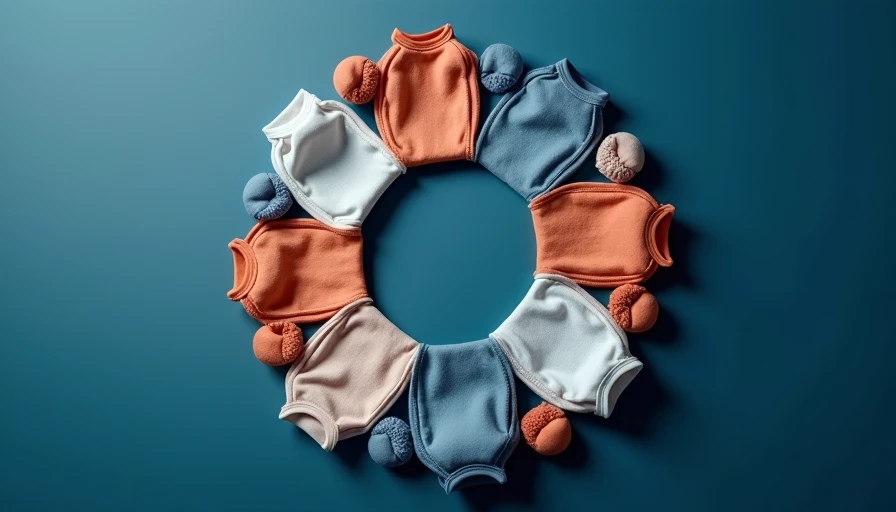
You'll also want a few footed bodysuits—often called "footie pajamas" or "rompers." These are ideal for sleep and lounging. Choose ones with two-way zippers for quick diaper changes. Magnetic closures (like Magnetic Me) are a premium option, but Zippy Jamz or simple zippered footies from Hanna Andersson work great too. Plan for 4-6 footed bodysuits in a mix of 0-3 month sizes.
Sleepwear and Swaddles: Safety First
Newborns sleep a lot, so safe sleepwear is non-negotiable. Use a wearable blanket (sleep sack) or swaddle—never loose blankets. In your list of clothes for newborn sleep, include 2-3 swaddles (muslin or cotton) and 2-3 sleep sacks. For warmth, choose a sleep sack with a TOG rating appropriate for your home's temperature. Halos and Kyte Baby are popular picks. Also, consider one or two footie pajamas for sleep—just be sure they fit snugly.
Swaddling can help settle a fussy baby. Learn the technique or try a swaddle with Velcro (like SwaddleMe) for ease. But remember, once your baby starts trying to roll (around 2 months), it's time to transition to a sleep sack.
Outerwear and Layers: Weather Ready
Even if you're not going out much, you'll want a few layers for trips to the pediatrician or walks outside. Include one or two cardigans or hoodies with snaps or zippers. A lightweight jacket or bunting sack is handy for cooler weather. For colder climates, a fleece-lined car seat cover (not a bulky snowsuit, which can interfere with car seat straps) is safer.
Keep hats handy: a soft knit hat for cold days, and a floppy sun hat for sunny outings. Remember, newborns lose heat through their heads, so in cool weather a hat is key. For babies born in summer, a cotton sun hat with a wide brim protects delicate skin.
Socks, Hats, and Accessories: The Little Extras
Your list of clothes for newborn isn't complete without accessories. Tiny socks often fall off, so consider knee-high booties or footed bodysuits for warmer months instead. For going out, a pair of soft baby shoes (like Robeez) can keep socks on. Mittens or "scratch mitts" prevent baby from scratching their face—buy 2-3 pairs.
Drool bibs or bandana bibs are practical; newborns drool and spit up. You'll want 3-5 soft bibs. Also, a few burp cloths (at least 5) and a baby blanket (a muslin one works for swaddling, burping, and tucking) round out the list.
How Many of Each Item Do You Really Need?
If you're wondering how to pare down the list of clothes for newborn babies, use this simple sizing guide: Newborn size usually fits up to 8-10 lbs. Many parents skip newborn size entirely and start with 0-3 months. If your baby is expected to be average or larger, buy mostly 0-3 month and just a couple newborn onesies for the first week or two.
Here's a realistic count:
- 6-8 short-sleeve bodysuits
- 4-6 long-sleeve bodysuits
- 4-6 footed pajamas/rompers
- 2-3 swaddles or sleep sacks
- 2 cardigans or jacket
- 1-2 hats (summer & winter)
- 3-4 pairs of socks/booties
- 2-3 pairs of mittens
- 3-5 bibs
- 5 burp cloths
- 1-2 baby blankets
That's about 35-45 pieces total, not counting hand-me-downs or gifts. Most parents find they have enough with this amount and still do laundry twice a week.
Newborn Clothing Care Tips: Washing and Organizing
Proper care extends the life of your newborn's clothes and keeps them safe for sensitive skin. Always wash new clothes before dressing your baby. Use a gentle, fragrance-free detergent (like Dreft or Seventh Generation). Avoid fabric softeners and dryer sheets—they can leave residue that irritates skin. Wash in warm water, and dry on low heat or line dry to prevent shrinkage.
Organize your newborn's wardrobe by size (newborn vs. 0-3 months) and type (onesies, sleepwear, outerwear). Use drawer dividers or small bins. Keep the most-used items (like bodysuits and burp cloths) at the top or front. As your baby grows, rotate out sizes you no longer need. Store outgrown clothes in labeled storage bins for potential future use or donation.
Having a system saves time during those sleep-deprived days. When you can grab a clean onesie without digging, it makes a difference. Include this organizational step in your overall list of clothes for newborn planning—it'll help you stick to the essentials and maintain your sanity.
Remember: your baby will grow out of this size quickly. Resist the urge to buy every cute outfit. Stick to this list of clothes for newborn essentials, and you'll save money, closet space, and sanity. For more detailed recommendations on specific brands or seasonal variations, browse our other newborn guides. Happy dressing!