The Ultimate Newborn Clothes Checklist for New Parents
Use this newborn clothes checklist to prepare for your baby's arrival. We cover essentials, layering, sizing, and smart shopping tips for comfort and...
Bringing home a new baby is an exciting time, and having a **newborn clothes checklist** can make your preparations much smoother. This newborn clothes checklist covers the essentials you’ll need for the first weeks, with practical advice on fabrics, sizing, and layering. Whether you’re a first-time parent or need a refresher, this guide will help you shop with confidence.
Why a Newborn Clothes Checklist Matters
A newborn goes through several outfit changes each day—spit-ups, diaper leaks, and spit-ups again. Without a newborn clothes checklist, it’s easy to buy too many of one item and miss another. A well-planned wardrobe saves time, money, and laundry loads. Plus, babies grow fast, so you want to invest in pieces that are functional and comfortable. This newborn clothes checklist focuses on what you’ll actually use daily.
Essential Clothing Items for the First Weeks
Start with the basics. Here’s what every newborn needs:
- **Onesies (bodysuits)**: Get at least 6–8 short-sleeve or long-sleeve onesies depending on the season. Look for envelope necks that allow you to pull them down (not over the head) for easy changes.
- **Footed sleepers**: 4–6 sleepers are perfect for day and night. They keep baby warm and eliminate the need for socks that never stay on.
- **Swaddles or sleep sacks**: 2–3 swaddles or wearable blankets for safe sleep. Many brands like Halo or SwaddleMe offer easy velcro options.
- **Hats**: 2 soft cotton hats for indoor warmth and a few sun-protective hats for outdoor if it’s warm.
- **Mittens**: 2–3 pairs to prevent scratching. Look for fold-over cuffs that stay on better.
- **Socks**: 4–6 pairs of soft, non-slip socks (even if using footed sleepers, they’re good for photo outfits).
- **Receiving blankets**: Not clothing, but essential for wrapping or as burp cloths.
Layering and Temperature Tips
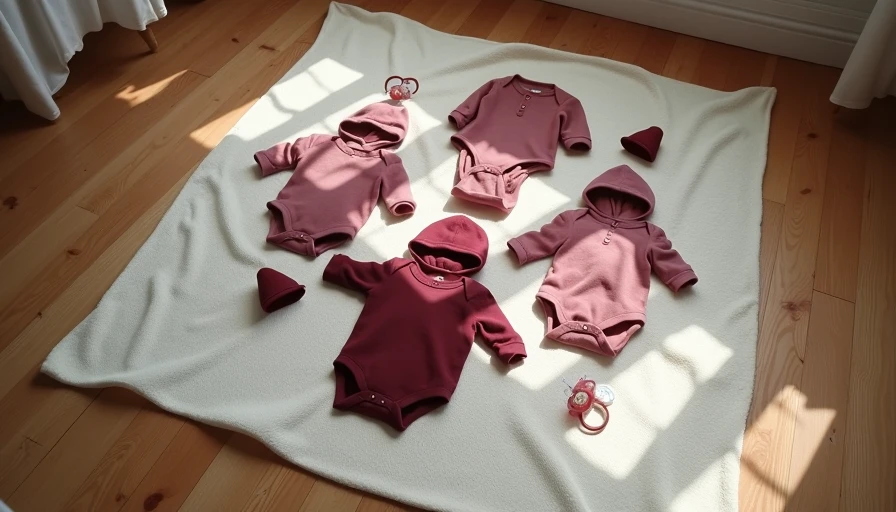
Babies can’t regulate their temperature well, so layering is key. A good rule: dress baby in one more layer than you’re comfortable in. On a 70°F day, a cotton onesie plus a footed sleeper may be enough. For cooler weather, add a cardigan or a zip-up hoodie. Avoid over-bundling—babies overheat quickly. A newborn clothes checklist should include light layers rather than heavy snowsuits unless you live in a very cold climate. Fleece sleepers from Carter’s or Burt’s Bees Baby are cozy without being too heavy.
Sizing and Growth Considerations
Newborn sizes (0–3 months) don’t last long. Most babies outgrow newborn size by 3–4 weeks. A smart newborn clothes checklist includes a mix of newborn and 0–3 month sizes. For essentials like onesies and sleepers, get about half in each size. If your baby is expected to be larger (over 8 lbs), lean more on 0–3 month. Brands like Gerber run small, while Carter’s runs true to size. Consider buying a few items in 3-month sizes for later—they’ll fit sooner than you think.
Laundry and Fabric Choices
Newborns have sensitive skin, so choose soft, breathable fabrics like 100% organic cotton or bamboo. Pre-wash everything before use. A newborn clothes checklist should remind you to avoid rough seams or tags that can irritate. Use gentle, fragrance-free detergent (like Dreft or Seventh Generation). Plan to do laundry every 2–3 days—you’ll need fewer items if you can wash frequently. Skip items that require hand-washing or dry cleaning; you’ll be tired enough.
Where to Save and Where to Spend
Some items are worth splurging on; others you can buy from discount stores. **Splurge**: footed sleepers with zippers (not snaps)—they save time during nighttime changes. Brands like Kyte Baby and Little Sleepies are expensive but loved for softness. **Save**: basic onesies and receiving blankets from Target or Walmart work great. Secondhand stores or baby consignment sales are excellent for almost-new clothing since babies outgrow things so fast. A newborn clothes checklist helps you prioritize: spend on items used most (sleepers, swaddles), and save on occasional pieces (dressy outfits, seasonal gear).
Putting It All Together
Once you have your newborn clothes checklist ready, organize by size and type. Fold onesies in a drawer, hang sleepers if you have space. Keep a backup outfit in the diaper bag and in the car. Remember, you don’t need a full wardrobe—just enough for 2–3 days between washes. Your baby will be comfortable, and you’ll feel prepared.
Sample Newborn Clothing Count Checklist
Here is a quick reference with recommended quantities for the first three months. Adjust based on your laundry frequency and climate.
- **Onesies (long-sleeve or short-sleeve)**: 8–10 total (split between NB and 0–3 months)
- **Footed sleepers**: 6–8 (zippered preferred over snaps for easy changes)
- **Swaddles or sleep sacks**: 3–4
- **Hats**: 2–3 (soft cotton for indoors, plus a sun hat if warm)
- **Mittens**: 2–3 pairs (fold-over cuffs stay on better)
- **Socks**: 4–6 pairs (non-slip if possible)
- **Receiving blankets (as burp cloths/swaddles)**: 4–6
Print this list and take it to the store. You can also use a baby registry checklist app to track what you’ve bought. Remember that every baby is different, so don’t be afraid to adjust. If your baby runs warm, skip fleece and stick to cotton. If you live in a cold climate, add a couple of heavier sleep sacks.
This newborn clothes checklist is a starting point. Adjust based on your climate, washing habits, and baby’s personality. Congratulations on your new arrival!