Newborn Clothing Guide: What Every Parent Needs to Know
Your essential newborn clothing guide for comfort, safety, and ease. Learn how to build a practical wardrobe for your baby's first months, from onesies to...
Bringing home a newborn is exciting—and a little overwhelming, especially when it comes to what they should wear. This **newborn clothing guide** will help you sort through the onsies, sleepers, and mittens so you can focus on what matters most: cuddling your little one. Whether you’re expecting your first baby or refreshing your memory, these practical tips cover comfort, safety, and everyday ease.
Why a Newborn Clothing Guide Matters
Newborns grow fast, sleep a lot, and have very sensitive skin. A thoughtful **newborn clothing guide** saves you from buying too many tiny outfits that won’t last a month—or missing essentials that make diaper changes smoother. The right clothes help regulate body temperature, prevent irritation, and keep your baby comfortable during those early weeks.
How Many Outfits Do You Really Need?
A common trap is overbuying. Newborns can go through multiple outfit changes in a day due to spit-up, diaper leaks, or messy feedings. Aim for:
- 6–8 bodysuits or onesies
- 4–6 footed sleepers (sleep-and-play suits)
- 2–3 swaddles or sleep sacks
- 4–6 pairs of socks or booties
- 2–3 hats (for outdoors or cold nurseries)
- 1–2 lightweight jackets or buntings (seasonal)
This is plenty to get started. You can always buy more once you see what your baby likes.
Best Fabrics for Sensitive Skin
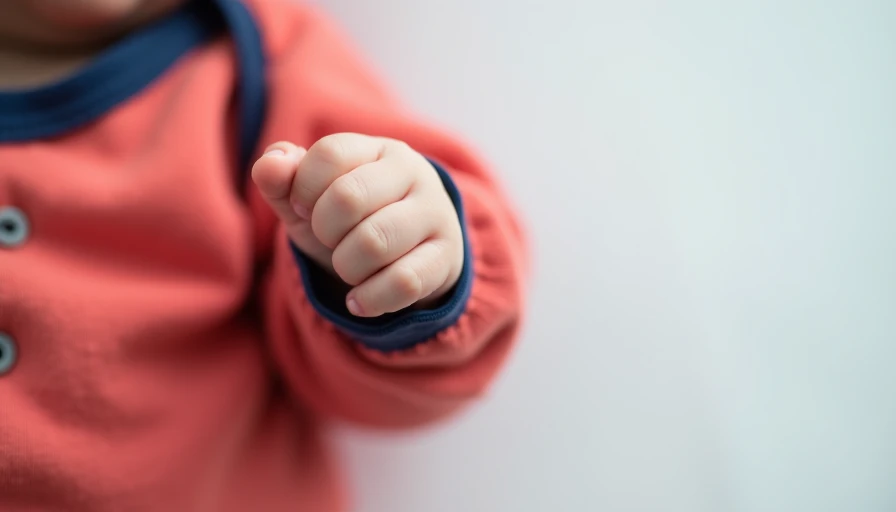
Newborn skin is thin and easily irritated. Cotton is the go-to because it’s breathable and soft. Look for:
- **Organic cotton**: Fewer chemicals, ideal for ultra-sensitive skin.
- **Bamboo viscose**: Silky feel, thermoregulating, and hypoallergenic.
- **Muslin**: Lightweight and airy, perfect for swaddles and summer wear.
Avoid synthetic fabrics like polyester for everyday use, as they trap heat and don’t breathe well. If you use fleece for outerwear, make sure there’s a cotton layer underneath.
Layering Tips for Every Season
Babies can’t regulate their body temperature well, so layering is key. A simple rule: dress your newborn in one more layer than you’re wearing. For example:
- **Summer**: Short-sleeved onesie + lightweight swaddle (or just a diaper in extreme heat).
- **Winter**: Long-sleeved onesie + footed sleeper + a bunting or snowsuit for outdoors.
- **Spring/Fall**: Onesie + sleep sack or sweater, adjusting for room temperature.
Always check your baby’s neck or chest—not hands or feet—to gauge if they’re too warm. Overheating is a risk factor for SIDS, so err on the side of cooler.
Essential Items Checklist
To make your **newborn clothing guide** actionable, here’s a quick checklist of what to buy and what to skip:
**Must-haves:**
- Bodysuits with envelope necks (easy over baby’s head)
- Footed sleepers with zippers (snaps are fussy at 3 a.m.)
- Scratch mittens (or fold-over cuffs)
- Burp cloths (more than you think)
- A few simple gowns for diaper changes
**Nice-to-haves:**
- Cute outfits for photos (but limit to 2–3)
- Sweater or cardigan (not practical for daily wear)
- Shoes? Wait until baby is walking.
Choosing the Right Sizes
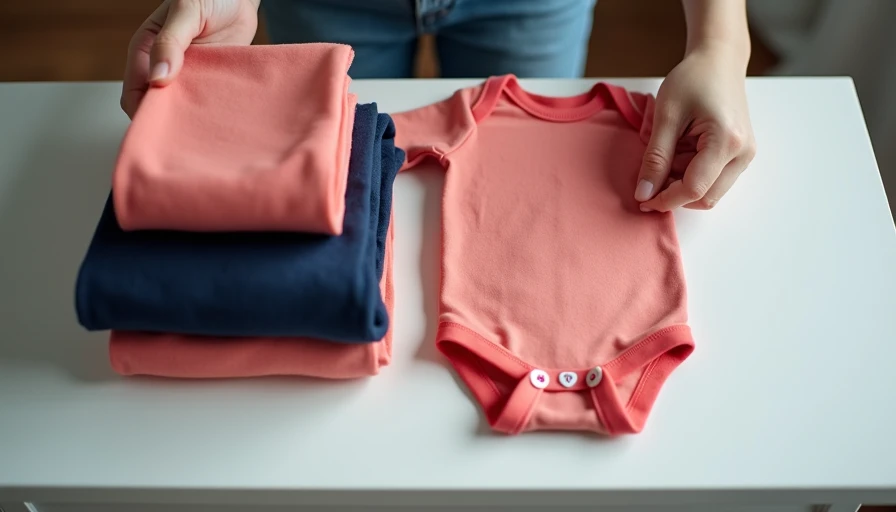
Newborn (NB) size typically fits up to 8 lbs, but many babies are born larger. Consider starting with 0–3 months instead of NB. Most babies outgrow NB within two weeks. Check brand size charts—some run small, others large. A good strategy: buy a few NB pieces and mostly 0–3 month sizes. You can always roll up sleeves and pant legs temporarily.
Safety Notes for Newborn Clothing
Safety should never be overlooked in your **newborn clothing guide**:
- Avoid strings, ribbons, or loose decorations that could choke or entangle.
- Use sleep sacks instead of blankets in the crib.
- Ensure footed sleepers have non-slip soles once baby starts rolling.
- Remove tags and trim any loose threads.
Practical Tips for Dressing Your Newborn
- **Skip the complicated outfits**: Onesies with snap crotches are your best friend.
- **Use zippered sleepers**: They save time during night changes.
- **Keep a spare outfit in the diaper bag**: One for baby, one for you.
- **Laundry strategy**: Buy enough to last 3–4 days so you’re not doing laundry every other day.
Frequently Asked Questions About Newborn Clothing
**Q: How do I know if my baby is too hot or too cold?**
A: Check the back of their neck or chest. If it feels sweaty, remove a layer. If it feels cool, add one. Avoid judging by hands or feet—they’re often cooler. This **newborn clothing guide** recommends dressing your baby in one more layer than you’d wear comfortably.
**Q: Can I use secondhand clothes?**
A: Yes, as long as they’re in good condition. Wash them thoroughly with a gentle, fragrance-free detergent. Avoid items with stretched elastic or pilling fabric. Hand-me-downs are a great way to save money while following this **newborn clothing guide**.
**Q: How many newborn-sized outfits should I buy before birth?**
A: Start with 3–5 newborn outfits, plus plenty of 0–3 month sizes. Many babies skip newborn size entirely. You can always buy more after birth if needed. The checklist in this guide helps you avoid overbuying.
**Q: What’s the safest sleepwear for newborns?**
A: Use a wearable blanket or sleep sack with no loose blankets. Ensure the sleep sack is the right size and has a fitted neck opening. Sleepers with footies are also safe if they’re not too loose.
Final Thoughts
A thoughtful **newborn clothing guide** makes the first few weeks smoother for both you and your baby. Focus on comfort, safety, and practicality—and don’t stress about fashion. Your little one will look adorable in anything, especially when they’re cozy and happy. Start with the basics, adjust as you go, and enjoy these precious early days.
---
*This article is part of our Smart Buy series, helping parents make informed choices without the noise.*