Essential Types of Infant Clothes Every New Parent Should Know
Learn about the essential types of infant clothes for your baby. From bodysuits to sleep sacks, our guide helps you choose comfortable, practical clothing...
When you’re expecting or have a newborn, the baby clothing aisle can feel overwhelming. There are so many **types of infant clothes** to choose from that it’s hard to know what you actually need. As a parent, you want your baby to be comfortable, safe, and dressed appropriately for every situation—whether it’s a sleepy afternoon at home, a quick errand, or a visit to the grandparents. This guide breaks down the most practical **types of infant clothes** and explains what each one is good for, so you can build a sensible wardrobe for your little one.
Bodysuits: The Everyday Foundation
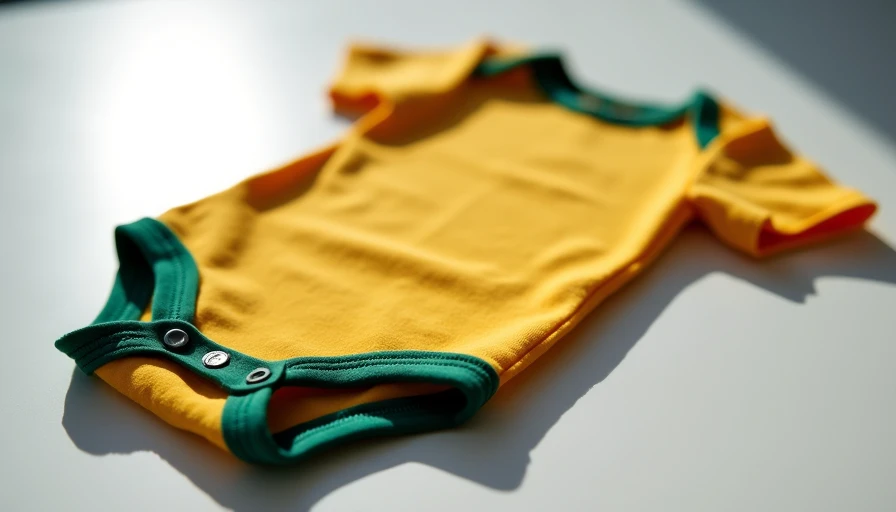
Bodysuits, often called onesies, are the workhorse of any infant wardrobe. They come in short-sleeve, long-sleeve, and sleeveless versions, and they snap at the crotch to keep the shirt tucked in. Most are made from soft cotton or bamboo blends that are gentle on sensitive skin. Bodysuits are perfect for layering under pants, overalls, or sleepers, and they make diaper changes easy because you don’t have to pull the whole shirt over the baby’s head. Look for envelope-style necklines that stretch to fit over the head without rubbing. Some parents prefer bodysuits with shoulder snaps or wrap-around designs for newborns.
Sleepwear: Pajamas and Sleep Sacks
Sleepwear is another essential category. For infants, the safest sleep environment includes clothing that prevents overheating and reduces the risk of suffocation. The most common **types of infant clothes** for sleep are footed pajamas (often called sleepers or footies) and sleep sacks. Footed pajamas are one-piece garments with legs and built-in feet, usually with a zipper or snaps. They keep the baby warm without needing loose blankets. Sleep sacks are wearable blankets that zip around the body, leaving the arms free. Both are available in different fabric weights (cotton, fleece, muslin) for seasonal comfort. Make sure any sleepwear meets federal safety standards for flame resistance.
Tops and T-shirts: For Layering and Style
Besides bodysuits, you’ll want a few soft t-shirts and tops. These are great for babies who are a bit older or for warmer days when you want fewer layers. Look for shirts with snap shoulders or stretchy necklines to make dressing easier. Plain white or neutral-colored tops are versatile, but a few patterned ones can add personality. Avoid tops with rough tags or seams that might irritate the baby’s neck.
Pants, Leggings, and Shorts
For the lower half, pants and leggings are the go-to options. Elastic waistbands and soft, stretchy fabrics make them comfortable and easy to put on. During cooler months, opt for cuffed pants that stay over the feet, or pair leggings with socks. For summer, baby shorts or rompers (which combine a top and shorts into one piece) are airy and convenient. Rompers are essentially a one-piece with short sleeves or no sleeves and short legs; they are among the favorite **types of infant clothes** for hot days because they allow airflow and simplify dressing.
Outerwear: Jackets, Vests, and Snowsuits
When you need to go outside, a baby jacket or vest is essential. For mild weather, a lightweight fleece or cotton hooded jacket works. For cold winters, a bunting snowsuit or a puffy one-piece is warmer and easier than separate coat and pants. Many snowsuits are designed for car seats—look for “car seat safe” models that don’t have thick padding in the back, or simply use a fleece bunting and add a blanket over the harness. Vests are also useful for layering without overheating.
Accessories: Hats, Socks, and Mittens
Babies lose heat through their heads, so a soft hat is a must, especially for newborns. Choose a cotton or knit hat that covers the ears. Socks are another staple; avoid ones that are too tight around the ankle. Grip socks can help when the baby starts scooting or crawling. Mittens (or “scratch mittens”) protect delicate skin from scratches. These small items are often overlooked but are vital for completing a comfortable outfit. Keep several pairs on hand because they get lost easily.
Special Occasion Outfits
You may also want a few outfits for holidays, photos, or family gatherings. These are usually more decorated—think bows, ruffles, suspenders, or embroidery. While they look adorable, prioritize comfort: choose soft knit fabrics over stiff woven ones, and avoid outfits with small buttons or embellishments that could be choking hazards. Reserve these for short wear and always have a backup of everyday clothes.
How Many of Each Type Do You Really Need?
A general rule for newborns is to have 7–10 bodysuits, 5–7 sleepers or sleep sacks, 5–7 pairs of pants or leggings, a handful of tops, and a few outerwear pieces appropriate for the season. Newborns grow through sizes quickly, so buying too many of one size is wasteful. Many parents recommend starting with a mix of 0–3 months and 3–6 months, because babies often skip NB size. Learn which **types of infant clothes** your baby actually wears before stocking up.
Final Thoughts
Choosing the right **types of infant clothes** isn’t complicated once you know what’s out there. Focus on soft, breathable fabrics, easy closures, and safety. Avoid pieces with long drawstrings, loose ribbons, or overly tight cuffs. Always wash new clothes before use to remove any irritants. By building a simple, functional wardrobe, you’ll save time, money, and stress, and your baby will be cozy and happy every day.