Weight for 0-3 Month Clothes: What Parents Should Know
Learn the typical weight for 0-3 month clothes and how to choose the right size for your baby. Practical tips on fit, brand variations, and shopping smart.
If you're a new parent, you've probably stared at a baby onesie labeled "0-3 months" and wondered: what exactly is the weight for 0-3 month clothes? It's a common question because sizing can feel like a guessing game. Most brands design 0-3 month sizes for babies weighing between 8 and 12.5 pounds (roughly 3.6 to 5.7 kg), but that range isn't universal. Understanding this weight guideline helps you choose clothing that fits comfortably without being too tight or too loose.
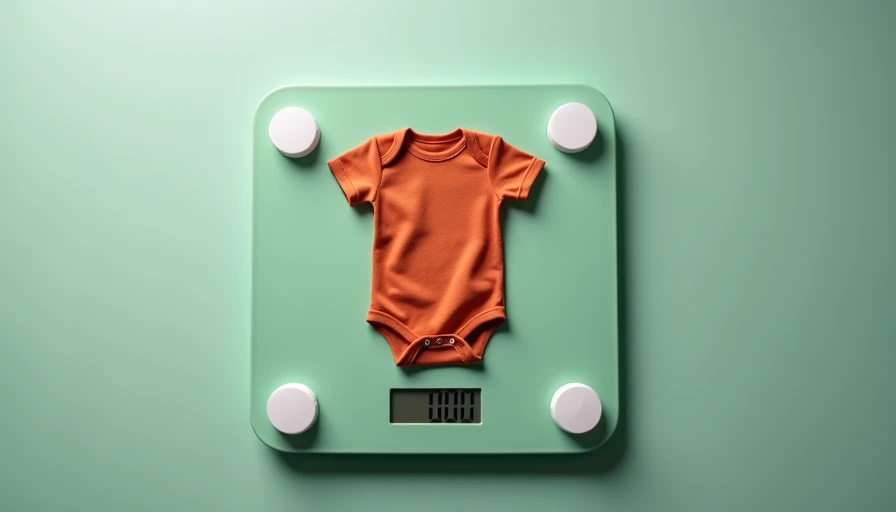
What Is the Standard Weight for 0-3 Month Clothes?
The general weight for 0-3 month clothes is typically listed as 8–12.5 pounds. This range covers the average newborn growth during the first three months. However, babies grow at different rates—a child born at 7 pounds might wear this size longer than a 9-pound newborn who outgrows it sooner. Keep in mind that height also matters. Some brands prioritize length over weight, so a tall baby may need the next size up even if their weight is within the range.
Knowing the standard weight for 0-3 month clothes gives you a starting point. When shopping, always check the brand's specific size chart. For example, Carter's often uses slightly wider weight ranges, while organic brands like Burt's Bees Baby may run narrower. Don't rely solely on the age label—weight and height are more accurate.
Why Brand Sizing Differs
Not all 0-3 month clothes are created equal. One brand's 0-3 month might fit a 10-pound baby perfectly, while another fits an 8-pound infant. This variation happens because manufacturers use different fit models and fabric types. Stretchy knits and cotton blends can accommodate a wider weight range, while woven fabrics with less give are more restrictive.
For example, Gerber's 0-3 month size tends to run small; it may fit babies closer to 8–10 pounds. In contrast, Old Navy's 0-3 month often fits larger, up to 13 pounds. This is why the weight for 0-3 month clothes is not a fixed number—it's a guideline. If you're shopping online, reading reviews that mention baby weight can be incredibly helpful. Parents often share, "My 10-pound baby fit perfectly in brand X but was swimming in brand Y."
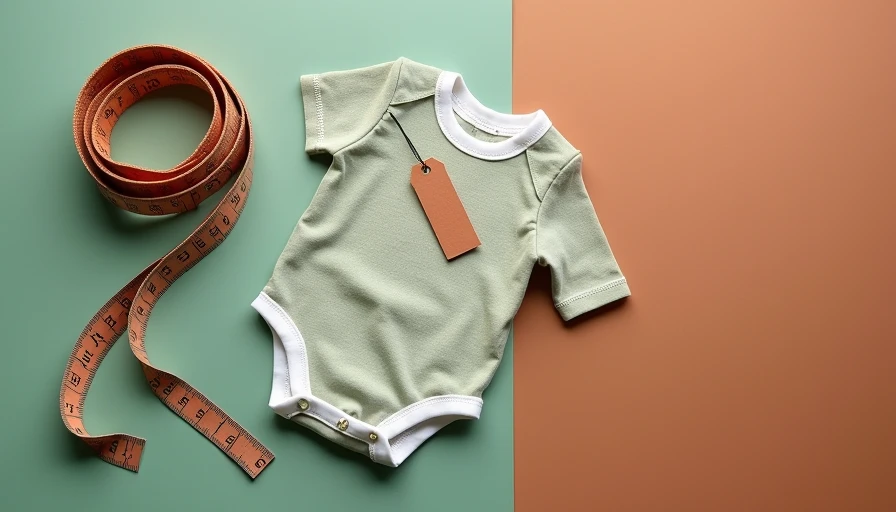
Signs Your Baby Has Outgrown 0-3 Month Clothes
Even if your baby's weight is within the suggested range, look for these signs that it's time to size up:
- **Cuffs and neckline are too snug:** Red marks after dressing or difficulty pulling the onesie over the head.
- **Sleeves and legs are too short:** When your baby stretches, the sleeves ride up past their wrists.
- **Diaper area is tight:** If the snaps under the crotch are pulling, the outfit is too small.
- **Frequent wardrobe changes:** You find yourself switching into looser clothes for comfort.
Paying attention to these cues is more reliable than relying solely on the weight for 0-3 month clothes. Remember, babies come in all shapes. A chunky 9-pounder might need 3-6 months earlier than a lean 11-pounder who fits 0-3 months for longer.
Tips for Buying 0-3 Month Clothes
When shopping for this size, keep these practical tips in mind:
- **Buy a mix of sizes:** Don't stockpile too many 0-3 month outfits. Babies grow fast, and you might need the next size sooner than expected.
- **Look for adjustable features:** Elastic waistbands, envelope necklines, and footed sleepers with fold-over cuffs extend the wear time.
- **Choose stretchy fabrics:** Soft jersey knits are more forgiving than stiff denims or woven cottons.
- **Check the return policy:** If you're unsure about a brand's fit, buy from stores that accept exchanges on baby clothes.
Understanding the weight for 0-3 month clothes helps you make smarter purchases. But don't stress—babies communicate discomfort quickly. If your little one seems fussy in a particular outfit, it's probably too tight or too loose.
Common Questions About Baby Clothing Weights
**Q: Can a 14-pound baby wear 0-3 month clothes?**
A: Likely not. Most 0-3 month tops out at 12.5 pounds. A 14-pound baby should move to 3-6 months.
**Q: What if my baby was born small? Should I buy preemie size?**
A: If your baby weighs under 5.5 pounds, look for preemie or newborn sizes. The weight for 0-3 month clothes starts around 8 pounds.
**Q: Do cloth diapers affect sizing?**
A: Yes. If you use bulky cloth diapers, you may need to size up earlier. The extra bulk changes the fit around the waist and bottom.
How to Measure Your Baby for the Best Fit
To ensure you're buying the right size, a quick at-home measurement can save you from returns. Here's a simple process:
- **Weigh your baby**: Use a baby scale or visit a local clinic. Note the exact weight in pounds or kilograms.
- **Measure length**: Lay your baby flat on their back and stretch a measuring tape from the top of their head to the bottom of their heel. Record in inches.
- **Check chest and waist**: Wrap a soft tape around the fullest part of the chest and the natural waist. These measurements help with fitted clothes like bodysuits.
- **Compare to size charts**: Every brand publishes a size chart. Match your baby's weight and length to the chart. Remember, if the measurements fall near the top of a range, consider sizing up.
- **Consider growth spurts**: Babies can grow an inch and gain a pound in a week. Buying clothes that are slightly roomy can extend wear time.
Using actual measurements takes the guesswork out of shopping. The typical size recommendations for 0-3 month outfits are a starting point, but combining them with length and chest measurements gives you the most accurate fit.
Final Thoughts
The weight for 0-3 month clothes is a helpful guide, not a strict rule. Every brand varies, and every baby is unique. Pay attention to your baby's comfort, check size charts, and don't be afraid to return items that don't fit. With a little practice, you'll quickly learn which brands work best for your child's body type. Happy dressing!