Why Parents Keep Overbuying “Cute” Clothes Their Kids Barely Wear
Most parents have done it: bought an adorable outfit the child wore once—or never. The gap between what hangs in the closet and what kids actually wear isn't about bad taste. It's about marketing, emotion, and the fantasy version of childhood. Here's why it happens, and how to stop.
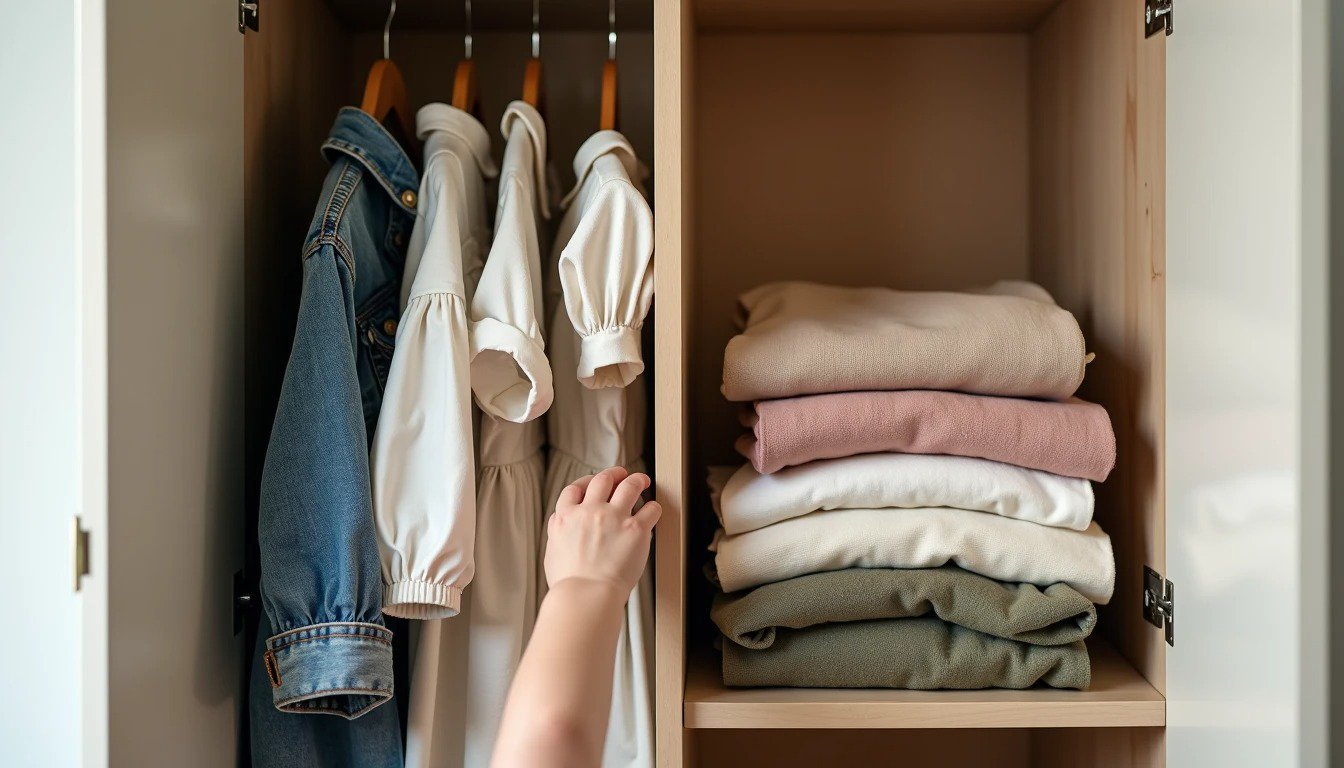
Open almost any child's wardrobe and you'll find the same story. A handful of well-worn everyday pieces, washed soft and faded at the knees. And alongside them, a collection of clothes that still look brand new—the tiny denim jacket with the embroidered collar, the dress with the hand-smocked bodice, the miniature button-down that matches a sibling's or a parent's. Tags still attached, or worn once for a photo and then hung back up.
Most parents have done this. They see something adorable, imagine their child in it, and buy it. The purchase feels good in the moment. But the clothes pile up, and the gap between what children actually wear and what hangs in their closet grows wider. Understanding why this happens isn't about guilt. It's about recognizing the patterns so parents can make choices they feel better about later.
The Fantasy Purchase vs. Real Life
At the heart of overbuying is a simple disconnect. Parents buy clothes for the child they imagine—the one who sits calmly in a café, poses sweetly for family photos, keeps a ruffled dress clean through a birthday party. The child who actually wears the clothes is different. They crawl, spill, dig, paint, refuse anything with a tag, and change their mind about what "feels good" halfway through the morning.
The cute outfit is bought for a fantasy version of childhood. The soft joggers and faded tee are worn by the real one.
This isn't a parenting failure. It's a marketing success. Kidswear brands are exceptionally good at selling a feeling—tenderness, nostalgia, the idea of a perfectly dressed child in a perfectly calm moment. The photograph on the website or the tiny garment on the hanger triggers something emotional. The purchase is an attempt to capture that feeling, not just to clothe a child.
The "Occasion" Trap
Another driver of overbuying is the vague "special occasion." Parents buy a beautiful dress or a smart little jacket thinking it will be perfect for something—a holiday gathering, a family dinner, a visit to grandparents. But in the rhythm of real family life, special occasions are rare. Weeks pass. The outfit waits. By the time the occasion arrives, the child may have outgrown the piece entirely.
The math is worth doing honestly. How many genuinely special occasions does a young child attend in a six-month size window? Two? Three? A child needs perhaps one nice outfit per season, not a closet full of "just in case" pieces.
The Sale Section Lure
Clearance racks and flash sales add their own pressure. A deeply discounted cute outfit feels like a smart buy—look how much was saved. But a bargain that sits unworn is not a bargain. It's just money spent on something that took up drawer space.
The sale section is particularly dangerous because it short-circuits the usual decision-making process. Parents who would normally pause and ask "does my child actually need this?" instead think "at this price, why not?" The answer to "why not" is that the drawer fills up, the rotation gets cluttered, and the clothes that actually fit and feel good get harder to find among the ones that don't.
The Gift Factor
Some of the overbuying isn't self-inflicted. Grandparents, relatives, and family friends love buying tiny clothes. A baby arrives, and suddenly the closet is full of gifted outfits—many of them adorable, many of them impractical, many of them never worn.
Parents often feel obligated to keep these gifts, even when they know the clothes won't work for their child's daily life. Setting a gentle boundary—"she lives in soft cotton onesies right now" or "he's between sizes, but we'd love something for next season"—can redirect generosity toward pieces that will actually get used.
The Social Media Effect
Social platforms have amplified the pressure in a specific way. Parents see styled photos of children in coordinated outfits, often posted by influencers or brands. The images are beautiful. They're also curated—a single moment captured and filtered, not a full day of real wear.
What doesn't show up in the photo: the child refusing to wear the outfit five minutes later, the stain that appeared seconds after the shot, the scratchy seam that made the child irritable all afternoon. Comparing a real child's wardrobe to a curated feed is a losing game, but it's one parents are subtly pulled into every time they scroll.
How to Break the Pattern
The solution isn't to stop enjoying cute clothes. It's to bring the same practical filter to "cute" purchases that parents already apply to everyday staples.
Before buying, ask a few quiet questions. Will my child be comfortable in this for more than ten minutes? Can they move freely—really move, not just stand still? Does this fit into our existing rotation, or will it need special occasions and specific pairings to work? Am I buying this for my child, or for an idea of my child?
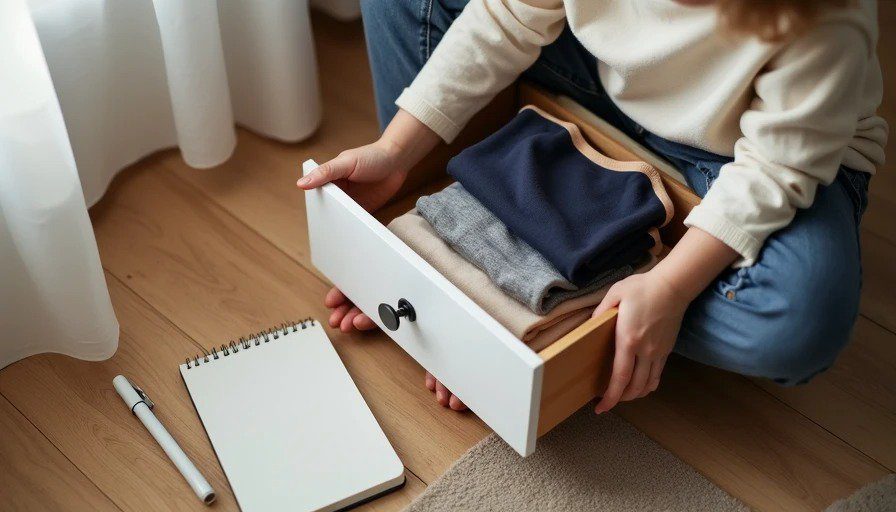
There's also a simple habit that helps: look at what your child actually wears right now. Open the drawer. Identify the three or four most-reached-for pieces. Those are the clues. Whatever you're considering buying should have something in common with them—softness, stretch, simplicity, ease. If it shares none of those qualities, it's a fantasy purchase.
Reframing What "Well-Dressed" Means
A child who is comfortable, able to move, and not distracted by their clothing is well-dressed. That's the quiet definition that serves real family life. A drawer full of unworn cute clothes doesn't make a child better dressed. It just makes the drawer harder to close.
Parents don't need to stop appreciating beautiful kidswear. They just need to recognize the difference between clothes that look good in a photograph and clothes that work on a Tuesday morning. The former are easy to find. The latter are what a child actually needs.